Caring for Your New Pomsky: Essential Tips
- Mar 11
- 3 min read
Updated: Mar 13
Bringing a new Pomsky into your home is an exciting adventure filled with joy and companionship. These adorable hybrids, a mix between a Pomeranian and a Siberian Husky, are known for their striking looks and playful personalities. However, caring for a Pomsky requires understanding their unique needs and characteristics. In this guide, we’ll explore essential tips to help you provide the best care for your new furry friend.
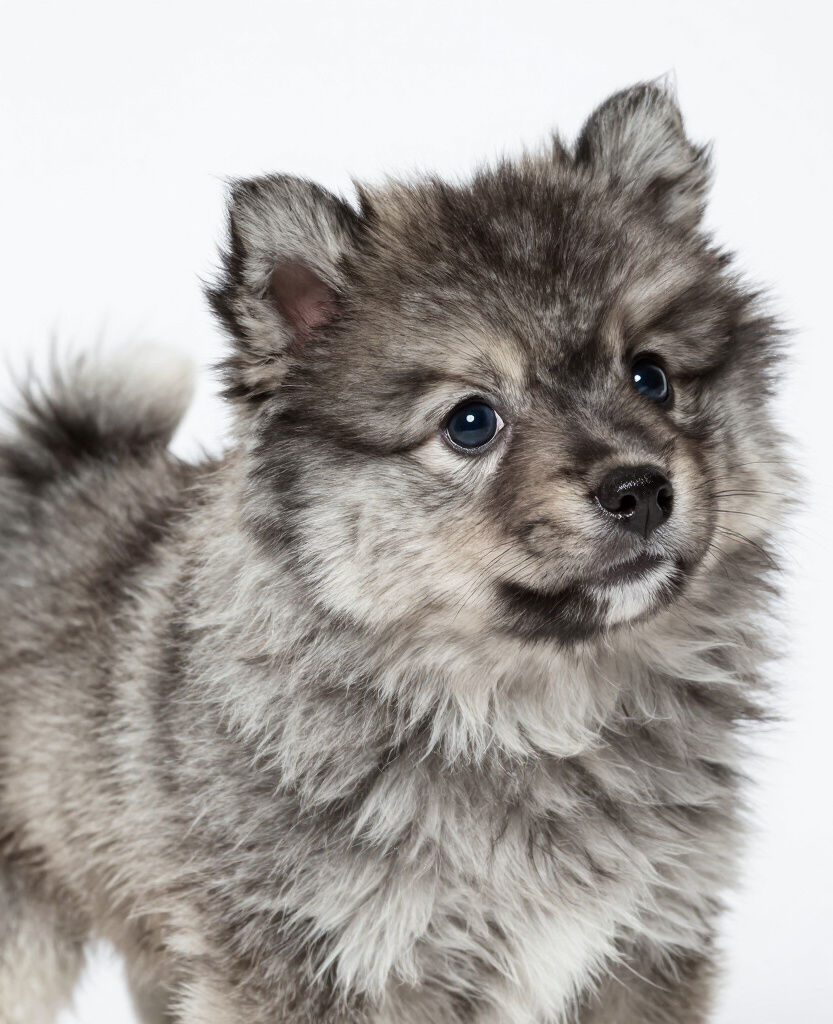
Understanding the Pomsky Breed
Before diving into care tips, it’s crucial to understand what makes Pomskies unique. They are known for their:
Appearance: Pomskies often inherit the fluffy coat of the Pomeranian and the striking blue eyes of the Husky. Their size can vary, but they typically weigh between 20 to 30 pounds.
Temperament: These dogs are energetic, intelligent, and friendly. They thrive on social interaction and can be quite vocal.
Lifespan: With proper care, Pomskies can live between 12 to 15 years.
Understanding these traits will help you create an environment that meets their needs.
Nutrition and Diet
Feeding your Pomsky a balanced diet is essential for their health and well-being. Here are some tips to ensure they receive the right nutrition:
Choose High-Quality Dog Food
Select a premium dog food that lists meat as the first ingredient. Look for options that are specifically formulated for small to medium breeds. Avoid foods with fillers like corn and soy.
Monitor Portion Sizes
Pomskies can be prone to obesity, so it’s important to monitor their portion sizes. Follow the feeding guidelines on the dog food package, but adjust based on your dog’s activity level and weight.
Fresh Water
Always provide fresh water. Hydration is key, especially if your Pomsky is active.
Exercise Requirements
Pomskies are energetic dogs that require regular exercise to stay healthy and happy. Here’s how to meet their exercise needs:
Daily Walks
Aim for at least 30 to 60 minutes of exercise each day. This can include walks, playtime in the yard, or trips to the dog park.
Interactive Play
Engage your Pomsky with interactive toys that stimulate their mind. Puzzle toys, fetch, and tug-of-war can be great options.
Socialization
Expose your Pomsky to different environments, people, and other dogs. This helps them develop good social skills and reduces anxiety.
Grooming Needs
Pomskies have a thick double coat that requires regular grooming. Here’s how to keep their coat healthy:
Regular Brushing
Brush your Pomsky at least once a week to prevent matting and reduce shedding. During shedding season, you may need to brush them more frequently.
Bathing
Bathe your Pomsky every few months or as needed. Use a gentle dog shampoo to keep their coat clean and healthy.
Nail Trimming
Regularly trim your Pomsky’s nails to prevent overgrowth. If you can hear their nails clicking on the floor, it’s time for a trim.
Training and Behavior
Training is essential for a well-behaved Pomsky. Here are some effective strategies:
Start Early
Begin training your Pomsky as soon as you bring them home. Early socialization and obedience training are crucial for their development.
Use Positive Reinforcement
Reward-based training works best with Pomskies. Use treats, praise, and playtime as rewards for good behavior.
Consistency is Key
Be consistent with commands and rules. This helps your Pomsky understand what is expected of them.
Health Care
Regular veterinary care is vital for your Pomsky’s health. Here are some important aspects to consider:
Regular Check-Ups
Schedule annual vet visits for vaccinations and health checks. This helps catch any potential health issues early.
Dental Care
Dental hygiene is important for your Pomsky. Brush their teeth regularly and consider dental chews to help keep their teeth clean.
Watch for Common Health Issues
Pomskies can be prone to certain health issues, such as hip dysplasia and eye problems. Be aware of any signs of discomfort or changes in behavior.
Creating a Safe Environment
Your home should be a safe haven for your Pomsky. Here are some tips to ensure their safety:
Dog-Proof Your Home
Remove any hazardous items within reach, such as toxic plants, chemicals, and small objects they could swallow.
Secure Fencing
If you have a yard, ensure your fencing is secure. Pomskies are known to be escape artists, so a tall, sturdy fence is essential.
Provide a Cozy Space
Create a comfortable space for your Pomsky to relax. A cozy bed in a quiet area can help them feel secure.
Conclusion
Caring for your new Pomsky involves understanding their unique needs and providing a loving environment. By focusing on proper nutrition, regular exercise, grooming, training, and health care, you can ensure your Pomsky thrives in your home. Remember, the bond you build with your Pomsky will be one of the most rewarding experiences of your life. Embrace the journey, and enjoy every moment with your new furry friend!


Comments